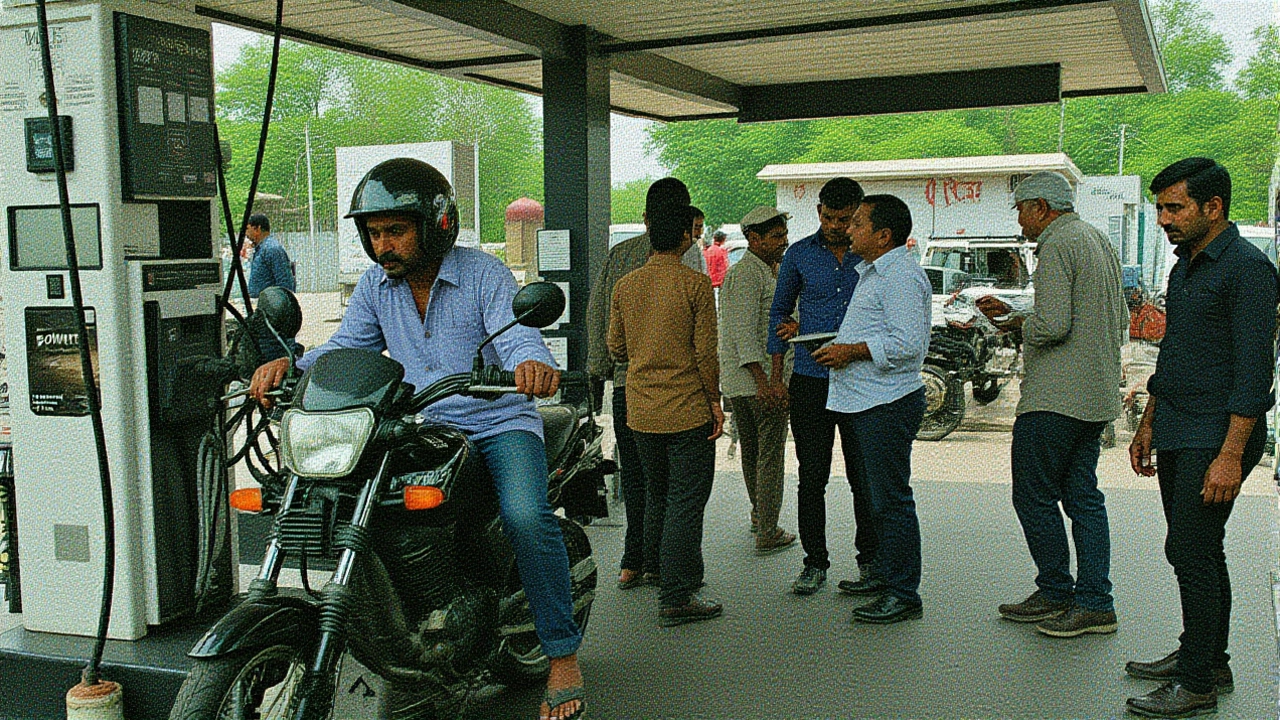
It’s happening again. Just when you thought your wallet might catch a breather, Indian Oil Corporation and other major refiners hiked petrol and diesel prices on Monday, pushing costs over psychological barriers in key cities. In Delhi, petrol now sits at ₹102.12 per liter, while in Lucknow, it has crossed the ₹100 mark to reach ₹102.05.
The twist? This isn’t an isolated blip. It’s the fourth increase since May 15. For commuters in Kanpur and beyond, this means filling up just got significantly more expensive—again.
The Numbers Behind the Hike
Here’s the breakdown: across most of India, petrol prices jumped by ₹2.61 per liter, and diesel saw a sharper rise of ₹2.71 per liter. These aren't small changes when compounded over weeks. Since mid-May, consumers have seen a cumulative increase of roughly ₹7.50 per liter for both fuels. That’s nearly eight rupees extra every time you fill a standard tank compared to just two weeks ago.
In Kolkata, the pain is even more acute. Petrol there has surged to ₹113.51 per liter, making it one of the most expensive places in the country to drive. Meanwhile, Chennai sees petrol at ₹107.77. Even premium variants like Indian Oil’s XP95 petrol in Delhi have climbed to ₹109.24 per liter.
- Delhi: Petrol ₹102.12, Diesel ₹95.20
- Lucknow: Petrol ₹102.05, Diesel ₹95.55
- Kanpur: Petrol ₹101.59, Diesel ₹96.06
- Kolkata: Petrol ₹113.51, Diesel ₹99.82
- Chennai: Petrol ₹107.77, Diesel ₹99.55
Why Prices Keep Climbing
So, why the relentless upward pressure? The short answer: global crude oil markets. International benchmark prices have been volatile and trending higher due to geopolitical tensions and supply constraints. Refineries pass these increased input costs directly to retailers, who then adjust pump prices daily based on a formula that includes exchange rates and taxes.
But wait—it’s not just about crude. State VAT (Value Added Tax) plays a huge role. States like Uttar Pradesh and West Bengal levy higher taxes on fuel than others, which explains why Kolkata and Lucknow are pricier than some southern counterparts despite similar base costs. When the central government doesn’t cut excise duties to offset global hikes, local consumers feel the full brunt.
Impact on Common People
This matters because fuel isn’t a luxury; it’s infrastructure. Transport costs account for a significant portion of logistics expenses in India. As diesel crosses ₹95 in many parts of Uttar Pradesh, truckers are already signaling potential fare hikes. If transport costs go up, so does the price of vegetables, electronics, and everything else delivered to your door.
Interestingly, public reaction remains mixed. Some social media commentary suggests resignation, with users citing "country first" sentiments to justify paying higher prices. But economists warn that sustained high fuel costs erode purchasing power. For a middle-class family spending ₹5,000 monthly on fuel, a ₹2.61 hike translates to hundreds of rupees lost annually—money that could otherwise go toward education or healthcare.

What’s Next?
Analysts predict further volatility. With no immediate sign of crude prices stabilizing below $80 per barrel, expect another round of adjustments within days. Watch for any policy shifts from New Delhi regarding excise duty cuts, though political timing often complicates such decisions post-elections.
For now, plan accordingly. Carpooling, optimizing routes, or switching to electric vehicles where feasible might be the only ways to mitigate these rising costs until the market cools down.
Frequently Asked Questions
How much did petrol and diesel prices increase today?
On Monday, petrol prices increased by ₹2.61 per liter and diesel by ₹2.71 per liter across most of India. This brings the total hike since May 15 to approximately ₹7.50 per liter for both fuels, marking the fourth consecutive adjustment in less than three weeks.
Which city has the highest petrol price in India right now?
Currently, Kolkata holds the record among major metros with petrol priced at ₹113.51 per liter. This is driven by high state VAT rates combined with national excise duties and the recent global crude oil price surge.
Will fuel prices drop soon?
Unlikely in the immediate future. Global crude oil benchmarks remain elevated due to ongoing geopolitical conflicts. Unless international prices fall sharply or the government announces tax cuts, daily revisions will likely keep pushing retail prices upward or keeping them stable at high levels.
How does this affect inflation?
Higher fuel costs directly impact transportation expenses, which constitute a large part of goods' final prices. As logistics become more expensive, retailers pass these costs to consumers, leading to broader inflationary pressures on food, clothing, and household items.