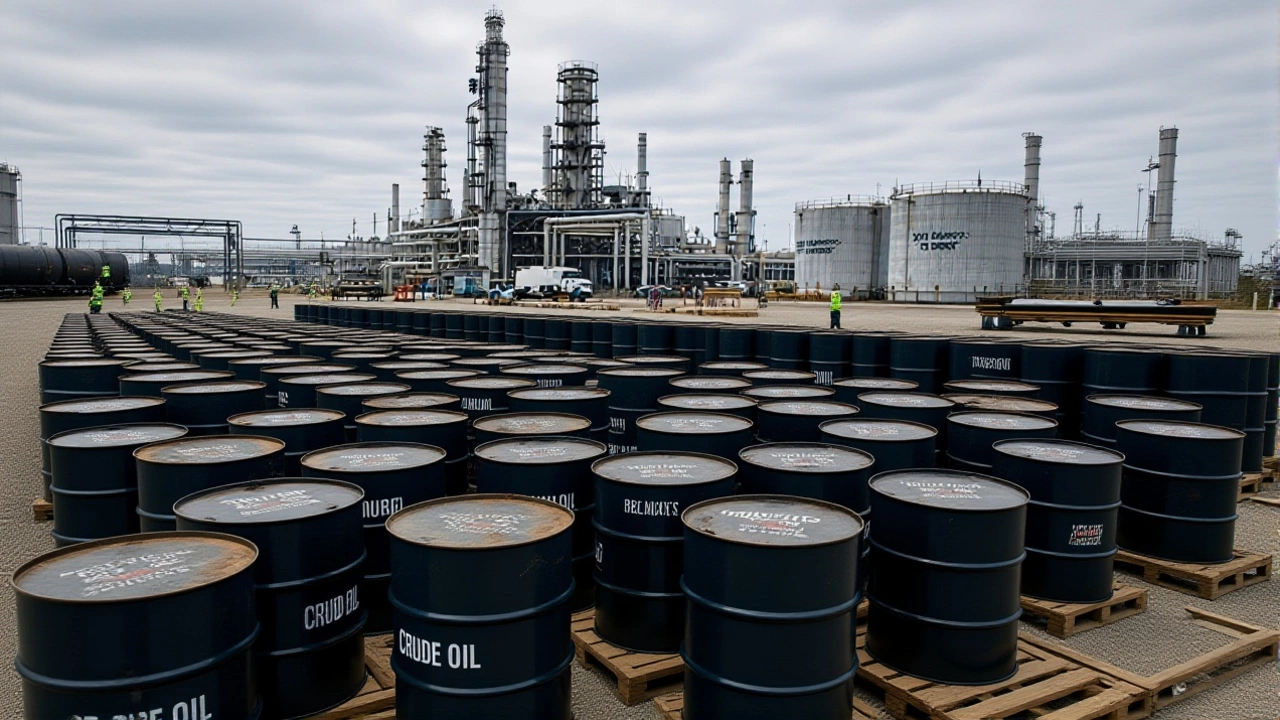
When Donald Trump, President of the United States, rejected Iran’s latest proposal to reopen the Strait of Hormuz, the global economy didn’t just flinch—it gasped. By Thursday, April 30, 2026, Brent crude had surged past $125 a barrel for the first time since March 2022, hitting a staggering $126.20.
Here’s the thing: this isn’t just another market blip. It’s a structural shockwave. The U.S.-imposed naval blockade on one of the world’s most critical shipping chokepoints has cut off roughly 20 million barrels of oil daily from reaching global markets. And unlike previous spikes driven by temporary supply hiccups, this is a geopolitical standoff with no clear exit ramp.
The Numbers Behind the Spike
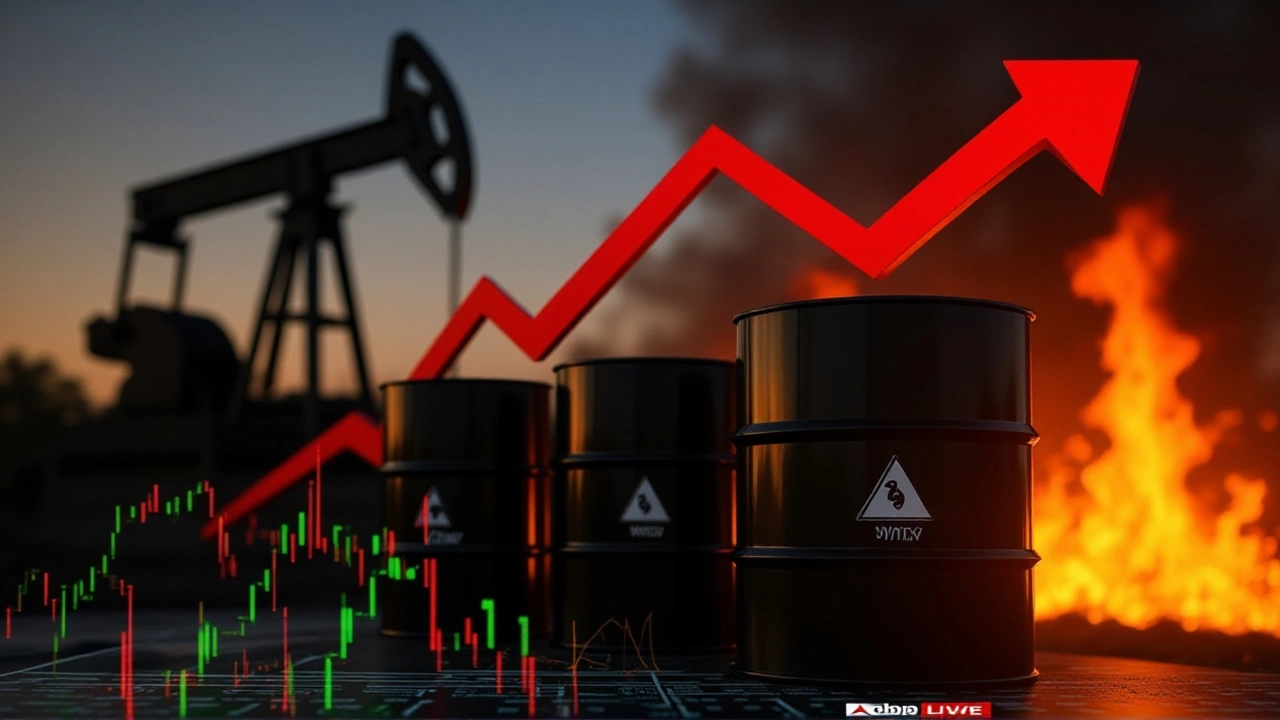
On Wednesday, April 29, contracts for June delivery on the Intercontinental Exchange broke through the psychological $125 barrier. By Thursday morning, Bloomberg reported Brent trading at $124.80—a 5.77% jump—before climbing further to close near $126. American WTI crude followed suit, rising 2.25% to $109.30 before settling around $110.
To put that in perspective: the last time we saw prices this high was March 8, 2022, when Brent peaked at $127.98 amid early chaos from Russia’s invasion of Ukraine. Now, four years later, we’re back there—but for entirely different reasons.
Nuvama Institutional Equities notes that approximately 20 million barrels pass through the Strait of Hormuz every single day. That’s about 21% of all globally traded oil. When you slam the brakes on that flow, inflation fears don’t just rise—they skyrocket.
A Geopolitical Tightrope
The twist? This isn’t accidental. Reports indicate President Trump directed officials to maintain the long-term blockade against Iranian vessels, effectively turning the strait into a de facto exclusion zone. Washington’s message to allied nations was blunt: form an international coalition to restore safe passage—or risk bearing the brunt of soaring energy costs alone.
But allies aren’t rushing to join. Many fear provoking Tehran further, especially after Iran warned earlier this week that prices could climb to $140 per barrel if tensions escalate. Meanwhile, Macquarie analysts suggest a more moderate ceiling of $110 in the near term—but warn that if supply constraints persist beyond April, Brent could easily breach $150.
“This is not a short-term disruption,” said Elena Rostova, senior energy analyst at Global Markets Insight. “It’s a strategic lever being pulled. And until someone blinks, consumers will feel it at the pump—and in their grocery bills.”
Real-World Ripple Effects
You might think oil prices are distant from your daily life. But wait—think again. Higher fuel costs mean pricier transport, which means costlier goods. In India, where imports account for nearly 85% of crude needs, the impact is immediate. Just days ago, the Indian-flagged tanker *Jag Ladki* arrived at Adani Ports in Mundra, Gujarat, carrying crude from the UAE—an alternative route now heavily scrutinized and taxed due to rerouting delays.
In Europe, drivers are already reporting price hikes at stations across Germany and France. In Asia, manufacturers are quietly adjusting production schedules to avoid peak-cost periods. Even electric vehicle sales, once seen as a hedge against fossil fuel volatility, are facing headwinds as battery material costs rise alongside general inflation.
What Comes Next?
Markets are watching three key developments closely:
- Diplomatic channels: Is there any backdoor negotiation happening between Washington and Tehran? So far, silence dominates.
- Strategic reserves: Will OPEC+ or individual nations release emergency stockpiles to cool prices? Early signals say no.
- Consumer behavior: If prices hold above $125 for more than two weeks, expect travel cancellations, reduced industrial output, and potential recessionary pressures.
Macquarie’s forecast remains cautious but grim: “If the blockade continues unchecked, we’re looking at sustained highs well into Q3 2026.”
Historical Context: Why This Time Feels Different
We’ve been here before—in 2008, when oil hit $147, and in 2022, when it topped $127. But those episodes were followed by rapid corrections. This time, the underlying driver isn’t speculative frenzy or war-related disruption—it’s deliberate policy enforcement.
The U.S. government sees the Hormuz blockade as leverage to force regime change or compliance in Iran. But history shows that such tactics often rebound. Remember how sanctions on Venezuela led to humanitarian crises without achieving political goals? Or how tariffs on Chinese steel rippled through auto industries worldwide?
This situation mirrors those patterns. Except now, everyone pays the price—not just adversaries.
Frequently Asked Questions
Why did oil prices spike so sharply in late April 2026?
Oil prices surged because the United States imposed a naval blockade on the Strait of Hormuz, cutting off access to roughly 20 million barrels of daily oil shipments. With no diplomatic resolution in sight, traders priced in prolonged scarcity, pushing Brent crude above $125 for the first time since 2022.
Who is affected most by these rising oil prices?
Import-dependent economies like India, Japan, and South Korea face immediate pressure on trade balances and inflation. Consumers everywhere see higher gasoline and heating costs, while manufacturers deal with increased logistics expenses. Developing nations with weak currencies suffer disproportionately.
Could oil prices reach $150 per barrel?
Yes, according to Macquarie Group, if supply disruptions continue past April 2026 and no alternative routes or releases from strategic reserves occur, Brent crude could climb toward $150. Iran itself has hinted at $140 levels under current conditions.
Is there any chance the blockade will be lifted soon?
Unlikely in the short term. President Trump has explicitly ordered continuation of the blockade and rejected Iranian overtures. Unless a major diplomatic breakthrough occurs—or domestic political pressure mounts in the U.S.—the status quo may persist for months.
How does this compare to the 2022 oil crisis?
While both crises pushed prices above $125, the 2022 spike stemmed from sudden wartime disruption in Ukraine. This 2026 surge results from intentional geopolitical strategy targeting Iran’s maritime exports. Unlike 2022, there’s no imminent endgame visible, making sustained high prices more probable.